Published on March 3, 2026

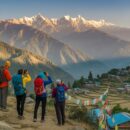
Image generated with Ai
With the adoption of drastic new entrance regulations, Armenia is becoming more accessible to foreign visitors, resulting in a notable change in the Caucasus region’s accessibility. The Republic of Armenia’s Ministry of Foreign Affairs has verified that a revolutionary visa-free entry policy for 113 countries is currently in place and will stay in place until at least July 1, 2026. In 2026, this plan aims to establish the country as a top travel destination for adventurers and culture vultures, especially those from North America and Europe. The government hopes to spark a new era of Armenian tourism offerings by showcasing its UNESCO World Heritage sites and the untamed beauty of the Transcaucasian Trail. As global travelers seek untapped horizons, the combination of medieval monasteries and high-altitude lakes is being presented as a compelling alternative to more traditional European itineraries.
The legal framework governing entry into the Republic of Armenia has undergone a substantial modernization to facilitate a seamless arrival process for millions of potential visitors. Under the current temporary regulations, citizens of 113 diverse nations are granted the privilege of entering the territory for stays of up to 180 days within a single year without the necessity of a formal visa. This policy includes all member states of the European Union, the United Kingdom, the United States, and several key partners in Asia and South America.
The rationale behind this openness is rooted in a national desire to diversify the economic impact of tourism beyond the capital city of Yerevan. By removing administrative friction, it is anticipated that a higher volume of spontaneous travel will be encouraged. Travelers are no longer required to navigate digital portals or visit embassies; instead, a simple passport stamp at Zvartnots International Airport or any of the land border crossings is all that is required. This ease of access is being characterized as a cornerstone of the nation’s diplomatic soft power, inviting the world to witness a landscape where history and modernity are uniquely intertwined.
The cultural identity of the nation is inextricably linked to its status as the first country to adopt Christianity as a state religion in 301 AD. This heritage is physically manifested in a collection of medieval monasteries that are regarded as architectural marvels. Among the most significant sites is the monastery of Khor Virap, located in the shadow of the majestic Mount Ararat. It is at this site where Saint Gregory the Illuminator was famously imprisoned, and it remains a primary pilgrimage destination for those seeking a connection to the early foundations of the faith.
Advertisement
Further into the basalt cliffs of the Azat River Gorge lies the Geghard Monastery, a complex that is partially carved directly into the surrounding mountain. This UNESCO World Heritage site is renowned for its exceptional acoustics and intricate stone carvings, known as khachkars. The preservation of these sites is managed with high precision to ensure that the influx of new visitors does not compromise their spiritual or structural integrity. For the modern visitor, these locations offer more than just a photographic opportunity; they provide a profound sense of historical continuity that is rarely found in the fast-paced urban centers of the West.
Beyond the ecclesiastical history, the geography of the Armenian Highlands offers a playground for those who prioritize the natural world. Lake Sevan, situated at approximately 1,900 meters above sea level, is identified as one of the largest high-altitude freshwater lakes in Eurasia. This “Blue Pearl” of Armenia serves as a vital recreational hub, offering opportunities for windsurfing, sailing, and exploration of the Sevanavank Monastery located on its northwestern peninsula. The seasonal beauty of the lake, with its turquoise waters reflecting the surrounding snow-capped peaks, makes it a centerpiece of the national tourism strategy.
Advertisement
Advertisement
The terrain is further defined by its dramatic volcanic history. Peaks such as Mount Aragats, the highest point in the country, attract trekkers looking for a challenging ascent across four distinct summits. The volcanic soil of the region also contributes to a burgeoning viticulture scene, where ancient winemaking traditions are being revitalized by a new generation of vintners. This intersection of dramatic geology and agricultural heritage is being marketed to “food lovers” who seek authentic, organic experiences rooted in the land.
For the truly intrepid, the development of the Transcaucasian Trail (TCT) represents the next frontier of long-distance hiking. This ambitious project aims to connect the Black Sea and the Caspian Sea through a continuous network of trails. The Armenian section of the TCT passes through some of the most remote and breathtaking landscapes in the Caucasus, including the lush forests of Dilijan National Park. Often referred to as the “Armenian Switzerland,” Dilijan offers a microclimate characterized by dense oak and beech forests, providing a sanctuary for diverse flora and fauna.
The trail is designed to be more than just a physical challenge; it is a vehicle for rural development. Hikers are encouraged to stay in village guesthouses, thereby providing a direct source of income to local families. This model of sustainable tourism ensures that the benefits of the visa-free policy reach the most isolated corners of the country. Whether navigating the deep canyons of the Syunik province or walking through the alpine meadows of the north, those who undertake the trek are granted an intimate view of a culture that has remained resilient for thousands of years.
No exploration of the country would be complete without a focus on its culinary traditions, which are being highlighted as a primary draw for the 2026 season. The Armenian table is a place of abundance, where hospitality is viewed as a sacred duty. Traditional dishes such as dolma, khorovats (barbecue), and the iconic lavash bread—which is itself inscribed on the UNESCO Representative List of the Intangible Cultural Heritage of Humanity—form the basis of every meal.
The rise of “gastro-tourism” has led to the creation of specialized tours focusing on pomegranate festivals, wine tastings in the Areni-1 cave complex (site of the world’s oldest known winery), and masterclasses in traditional bread making. This focus on the sensory experience allows visitors to engage with the culture in a tangible way. As more travelers utilize the visa-free entry rules to visit for extended periods, the demand for authentic, slow-food experiences is expected to grow, further solidifying Armenia’s reputation as a hidden gem for the discerning global traveler.
Advertisement


















Tuesday, March 3, 2026

Tuesday, March 3, 2026

Tuesday, March 3, 2026
Tuesday, March 3, 2026

Tuesday, March 3, 2026

Tuesday, March 3, 2026