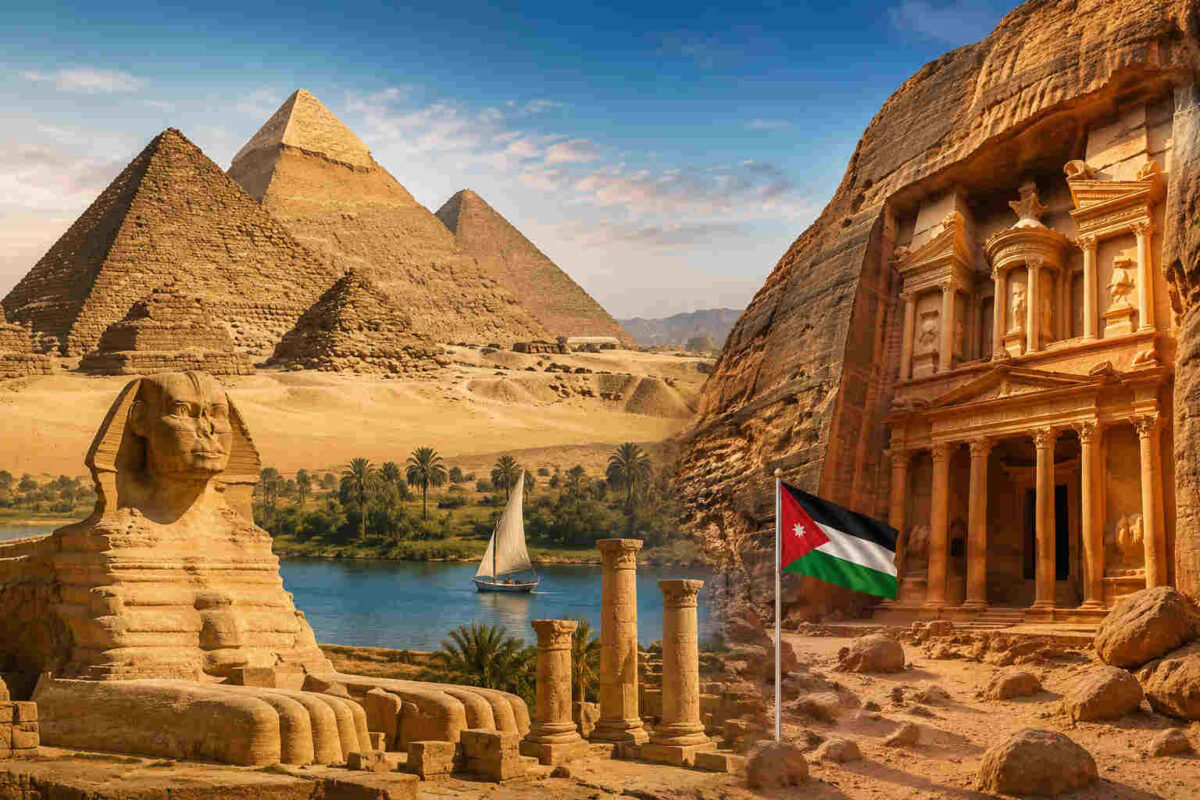
Image generated with Ai
The Middle East is witnessing a transformative travel revolution in late 2026, driven by unprecedented regional cooperation. As Saudi Arabia aligns with the UAE on the upcoming GCC Grand Tours Visa, international travellers are seizing opportunities to explore itineraries across multiple nations. Consequently, tourists are discovering new Jordan holiday choices, perfectly positioned to capture this regional spillover. While the Gulf offers futuristic cityscapes, Jordan provides ancient landscapes and rejuvenating natural retreats. Notably, its famous thermal towns boost wellness tourism, attracting visitors seeking therapeutic mineral springs and serene desert spas. This exciting shift highlights a broader movement towards holistic regional adventures.
The global travel industry is undergoing a monumental shift as we progress through the latter half of 2026. The Middle East, historically viewed by international tourists as a collection of fragmented destinations, is rapidly consolidating its tourism appeal. At the heart of this transformation is the strategic partnership between major Gulf nations, which is subsequently generating immense benefits for neighbouring countries. The introduction of streamlined travel logistics is revolutionising how itineraries are planned, booked, and experienced. As the region pivots away from its traditional reliance on fossil fuels, governments are injecting billions of dollars into hospitality, infrastructure, and experiential travel. This concerted effort is not merely about increasing visitor numbers; it is about extending the duration of stays, increasing average visitor spend, and promoting a diverse array of cultural and natural attractions that span across national borders.
Advertisement
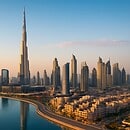
One of the most significant catalysts for this regional tourism boom is the implementation of the GCC unified tourist visa, officially branded as the Grand Tours Visa. Entering its pilot phase in February 2026 and rolling out more broadly throughout the latter half of the year, this Schengen-style visa allows tourists to seamlessly cross the borders of all six Gulf Cooperation Council member states—the United Arab Emirates, Saudi Arabia, Qatar, Oman, Bahrain, and Kuwait—using a single electronic permit. By eliminating the friction of multiple visa applications and exorbitant cumulative fees, the unified visa encourages long-haul travellers from Europe, the Americas, and Asia to view the Arabian Peninsula as a cohesive, single destination. A tourist can now spend four days exploring the futuristic skyline and luxury retail of Dubai before taking a short flight to marvel at the ancient Nabataean architecture of AlUla in Saudi Arabia, all under one administrative umbrella.
As Saudi aligns with UAE on border policies, both nations are heavily investing in the digital infrastructure required to support this influx of multi-destination travellers. During the prominent LEAP 2026 technology conference, the Saudi Ministry of Tourism unveiled its Unified Tourism Services Platform. This innovative digital hub, powered by an advanced AI assistant named “Tourism X”, centralises everything from regulatory compliance and tourism licensing to professional training for sector employees. By digitising and harmonising these backend processes, Saudi Arabia is ensuring that its hospitality sector can scale rapidly and efficiently to meet the demands of the unified visa era. This technological alignment between Riyadh and Abu Dhabi sets a gold standard for regional cooperation, directly enhancing the consumer experience by ensuring high-quality, standardised service across borders.
Advertisement
Advertisement
Historically, the Middle East attracted a polarised demographic: expatriate workers, business travellers, or tourists seeking short, luxury beach holidays. The new collaborative ecosystem is attracting a completely different profile of visitor. Today’s travellers are culturally curious, environmentally conscious, and seeking extended, multi-faceted journeys. They demand a blend of high-octane urban excitement and deep, restorative natural encounters. The synergy between Saudi Arabia and the UAE perfectly addresses the urban and luxury components, but to fulfil the desire for historical depth and holistic wellness, these modern explorers are looking just beyond the GCC borders, expanding their itineraries to include neighbouring Levantine gems.
While the Hashemite Kingdom of Jordan is not a member of the GCC, its geographical location makes it the ultimate beneficiary of the Gulf’s unified tourism strategy. Sharing a long, porous border with Saudi Arabia, Jordan serves as the natural geographical and cultural extension for travellers exploring the northern Saudi regions. The starkly beautiful Hisma Desert in Saudi Arabia seamlessly transitions into Jordan’s famous Wadi Rum, creating an unbroken canvas of breathtaking, wind-carved sandstone. Recognising this natural synergy, cross-border infrastructure has been steadily improving, allowing tourists to easily transition from the vast expanses of the Saudi kingdom into the deeply historical and therapeutic landscapes of Jordan.
The influx of regional tourists is providing a vital structural pillar for the Jordanian economy. On 28th August 2026, S&P Global Ratings officially affirmed Jordan’s sovereign credit rating at ‘BB-/B’ with a stable outlook. This affirmation highlighted the country’s remarkable economic resilience in the face of broader regional geopolitical complexities. According to the authoritative report, Jordan’s ability to maintain macroeconomic stability is heavily supported by robust tourism revenues, consistent remittance flows, and the strategic rerouting of regional trade through its southern port of Aqaba. Despite sporadic tensions in the wider Middle East, Jordan has successfully marketed itself as a safe, welcoming, and secure oasis. Furthermore, the country continues to receive substantial international backing, with the United States planning US$2.1 billion in support for 2026, alongside ongoing assistance from the World Bank and the International Monetary Fund to bolster critical infrastructure.
Adding to the region’s geopolitical and economic momentum is the ongoing development of the Indo-Mediterranean Corridor. As detailed in strategic policy discussions in early September 2026, this ambitious network aims to link India and Europe via the Arabian Peninsula. By integrating high-speed railways, digital grids, and green energy pipelines across the UAE, Saudi Arabia, Jordan, and Israel, the corridor promises to slash transport costs and stimulate sustainable development. For the tourism sector, this means unprecedented future connectivity. As ports and rail networks are upgraded to handle high-technology trade and clean energy exports, the secondary benefit is the rapid modernisation of passenger transit links, further cementing Jordan’s position as a highly accessible destination for global travellers journeying through the Gulf.
Advertisement
Advertisement
Travel agencies and luxury tour operators have been quick to capitalise on the relaxed border dynamics, aggressively expanding their portfolios to include comprehensive Middle Eastern packages. Consequently, there has been a massive surge in Jordan holiday choices designed specifically to complement GCC tours. Industry-leading operators are now offering 14-day premium itineraries that begin in the cosmopolitan hubs of the UAE, transition through the cultural renaissance of Saudi Arabia, and culminate in the therapeutic environments of Jordan. These curated journeys offer an unparalleled contrast: from dining in a Michelin-starred restaurant atop a Dubai skyscraper to sharing a traditional Zarb (underground barbecue) with Bedouin families in the heart of the Jordanian desert.
In previous decades, Jordan was often treated as a brief transit stop—a place to snap a photograph of the Treasury at Petra before moving on. Today, the narrative has fundamentally changed. The new wave of Jordan holiday choices emphasises slow travel and deep immersion. Visitors are encouraged to spend days, rather than hours, exploring the intricate valleys of Petra, hiking the expansive trails of the Dana Biosphere Reserve, and engaging with local women’s cooperatives highlighted on Jordan’s Meaningful Travel Map. This shift towards immersive travel not only enriches the visitor experience but ensures that tourism revenues are distributed more equitably among local communities, supporting grassroots economic development.
The appeal of adding Jordan to a GCC itinerary lies in the profound contrast it offers. After days spent navigating the ultra-modern, climate-controlled environments of Riyadh or Abu Dhabi, travellers crave raw, unfiltered connections with nature and history. Jordan provides this in abundance. It offers a tactile, historical grounding that beautifully counterbalances the futuristic ambitions of its Gulf neighbours. This complementary relationship is the driving force behind the current tourism boom, proving that regional collaboration yields far greater dividends than intense competition.
At the epicentre of this new travel movement is the country’s booming wellness sector. Specifically, the development of natural thermal towns has transformed Jordan into a premier destination for holistic health. The crown jewel of this sector is the Ma’in Hot Springs (Hammamat Ma’in), located in a dramatic canyon between Madaba and the Dead Sea. Fed by winter rainfalls in the highland plains, the water is heated by underground lava fissures, emerging in a series of spectacular waterfalls at temperatures reaching a sweltering 60°C. These mineral-rich waters have been used for their medicinal properties since the days of the Roman Empire, with historical accounts suggesting that Herod the Great frequently bathed here for restorative purposes. Today, the area boasts luxurious 5-star spa resorts offering day-passes and extensive wellness treatments, allowing visitors to stand directly under the cascading thermal waterfalls—a genuinely unique hydrotherapy experience that stands in stark contrast to standard indoor spa treatments.
No discussion of wellness tourism in the Middle East is complete without acknowledging the Dead Sea. Situated at approximately 417 metres below sea level, it is the lowest point on the surface of the Earth. The hyper-saline water, boasting a salt concentration nearly ten times that of the ocean, allows bathers to float effortlessly. However, the true draw for wellness seekers lies in the unique composition of the water and the surrounding mud, which are exceptionally rich in magnesium, calcium, potassium, and bromide. These minerals are scientifically proven to alleviate a range of dermatological conditions, including psoriasis and eczema, as well as providing relief for rheumatologic diseases like arthritis. Furthermore, the atmospheric pressure and additional oxygen at this low elevation, combined with the natural filtering of harmful UVB rays, make sunbathing on the shores of the Dead Sea a uniquely safe and therapeutic experience.
While Ma’in and the Dead Sea dominate the luxury wellness market, the Jordanian government and private investors are actively developing other thermal towns to diversify the country’s wellness portfolio. The Afra Hot Springs, located in the southern governorate of Tafilah, offer a more rustic and authentic local experience. Featuring over a dozen distinct springs with varying mineral compositions, Afra is highly regarded by locals for treating infertility, respiratory issues, and joint pain. Similarly, the Himma Hot Springs in the northern Irbid region are seeing renewed investment. By upgrading the infrastructure and accessibility of these secondary thermal sites, Jordan is effectively decentralising its wellness tourism, ensuring that the economic benefits of this booming sector are spread across various governorates.
Wellness tourism extends far beyond hot springs and mud masks; it encompasses mental health, mindfulness, and spiritual rejuvenation. The majestic Wadi Rum desert, famously known as the Valley of the Moon, has emerged as a globally recognised hub for eco-therapy and silent retreats. The sheer scale of the towering sandstone monoliths, coupled with the profound, eerie silence of the deep desert, provides an ideal environment for meditation, yoga, and digital detox programmes. Luxury glamping sites and bespoke wellness operators now offer guided stargazing sessions, mindful hiking trails, and Bedouin-led mindfulness workshops, allowing visitors from the bustling GCC cities to completely disconnect from the stresses of modern urban life and reconnect with the natural world.
For travellers seeking a greener, more biodiverse wellness experience, the Dana Biosphere Reserve offers an unparalleled sanctuary. As Jordan’s largest nature reserve, Dana encompasses four distinct bio-geographical zones, supporting a remarkable variety of flora and fauna, including several endangered species. Wellness itineraries here focus on active rejuvenation through hiking the rugged trails, participating in guided nature walks, and engaging in outdoor yoga sessions overlooking the spectacular Great Rift Valley. The eco-lodges within the reserve operate on strict sustainability principles, providing a holistic environment where physical activity, environmental conservation, and mental wellbeing are seamlessly integrated.
The capital city of Amman is also experiencing a wellness renaissance, adapting traditional practices for the modern luxury traveller. The city’s historic hammams (Turkish and Arab baths) are undergoing a sophisticated revival. These urban sanctuaries offer multi-stage cleansing rituals involving steam rooms, vigorous full-body exfoliation using traditional loofahs, and soothing olive oil massages. For GCC tourists concluding their multi-country itineraries before flying out of Queen Alia International Airport, spending an afternoon in a high-end Ammani hammam provides the perfect, relaxing conclusion to their Middle East travel experience.
The current surge in regional travel is not accidental; it is the direct result of meticulously crafted government policies. Saudi Arabia’s Vision 2030 and Jordan’s Economic Modernisation Vision share a fundamental objective: diversifying their respective economies away from traditional sectors and establishing sustainable, future-proof industries. By actively aligning their tourism strategies, these nations are creating a multiplier effect. When Saudi aligns with UAE on visa regulations, Jordan leverages its diplomatic agility to ensure its own entry requirements remain highly complementary, offering simplified visas on arrival or extended passes for GCC residents and international tourists holding the unified Gulf visa.
Handling a massive influx of international tourists requires robust infrastructure. The Jordanian Ministry of Tourism and Antiquities, in collaboration with the Ministry of Public Works, is heavily investing in upgrading the Kingdom’s transportation networks. This includes widening key segments of the Desert Highway and the scenic King’s Highway, improving signage in multiple languages, and expanding the capacity of regional airports like King Hussein International Airport in Aqaba. By ensuring that the physical infrastructure matches the seamless digital experience of booking the trip, Jordan is actively preventing the bottlenecks that often plague rapidly growing tourism destinations.
A critical policy challenge facing the expansion of thermal towns and wellness resorts is environmental sustainability, particularly concerning water management. Jordan is one of the most water-scarce countries in the world. Consequently, the rapid development of spa facilities must be balanced against the urgent need for water conservation. The government is implementing strict environmental regulations, mandating that new luxury wellness resorts utilise advanced water recycling technologies, solar-powered desalination where applicable, and sustainable architectural designs that minimise energy consumption. This commitment to eco-friendly development ensures that the natural resources powering the wellness boom are preserved for future generations.
The economic ramifications of this tourism integration are profound for the entire Middle East. For decades, the region’s economic health was inextricably linked to the volatile global oil market. The aggressive pivot towards international tourism represents the most significant diversification effort in the region’s modern history. By transforming into a premier global destination for leisure, history, and wellness, the Middle East is insulating its economies against future fluctuations in energy prices. The revenues generated from cross-border tourism—spanning aviation, hospitality, retail, and local services—provide a stable, renewable source of national income.
The clarity and ambition of the unified tourism strategy are acting as a powerful magnet for Foreign Direct Investment (FDI). International hotel chains, global wellness brands, and institutional investors are injecting capital into the region with unprecedented confidence. In Jordan, this is evident in the rapid construction of new boutique hotels in Amman, eco-resorts in the southern deserts, and massive upgrades to the infrastructure surrounding the Dead Sea. The affirmation of Jordan’s credit rating by S&P Global Ratings in August 2026 serves as a green light for cautious investors, signalling that the country’s economic fundamentals remain sound despite regional complexities.
Perhaps the most vital economic implication is job creation. The tourism and hospitality sector is highly labour-intensive, providing vast employment opportunities across all skill levels. In Jordan, where youth unemployment has historically been a significant challenge, the booming wellness tourism industry offers a lifeline. From highly trained spa therapists and multilingual tour guides to conservationists in the biosphere reserves and local artisans supplying the luxury resorts, the economic benefits are filtering down to the grassroots level. This job creation fosters social stability and empowers local communities, particularly women, who play a leading role in the artisanal and culinary cooperatives that cater to international visitors.
While the trajectory of Middle Eastern tourism is overwhelmingly positive, industry experts and official economic reports advise a balanced perspective. The S&P Global Ratings report from August 2026 explicitly notes that while Jordan has displayed remarkable resilience, it remains exposed to risks from regional instability. The ongoing conflicts and security situations in neighbouring territories require constant diplomatic navigation. However, the report also acknowledges that Jordan’s critical infrastructure and civilian areas remain secure, and international support from the US and GCC continues to underwrite its stability. This geopolitical nuance is actively managed by tourism boards, which focus their messaging on the safety, hospitality, and enduring tranquility of their specific destinations.
Looking ahead, the next phase of this regional integration involves collaborative marketing. Rather than competing for the same pool of international tourists, Middle Eastern nations are beginning to pool their marketing resources. Joint promotional campaigns targeting high-yield markets in North America, Western Europe, and East Asia are slated to launch in late 2026 and early 2027. These campaigns will highlight the sheer diversity of the region—pitching a single, seamless holiday that includes the architectural marvels of the UAE, the vast cultural heritage of Saudi Arabia, and the unmatched Jordan holiday choices focused on nature and wellness.
As we approach the critical milestone of 2030—the target year for several national economic visions across the region—the Middle East is poised to cement its status as a top-tier global travel hub. The synergy created by the GCC Grand Tours Visa and the strategic alignment between nations like Saudi Arabia, the UAE, and Jordan will continue to deepen. The trend of thermal towns boosting wellness tourism is not a fleeting fad, but a fundamental shift in how travellers engage with the Middle East. Seeking healing, history, and harmony, tomorrow’s tourists will find a region united in its commitment to delivering unforgettable, holistic experiences.
Advertisement
Advertisement
Advertisement











Wednesday, September 2, 2026

Tuesday, September 1, 2026

Wednesday, September 2, 2026
Wednesday, September 2, 2026
Tuesday, September 1, 2026
Tuesday, September 1, 2026
Wednesday, September 2, 2026

Wednesday, September 2, 2026



