
Pangnirtung Brings Canada’s Wild Arctic Beauty to Life with Winter Skies and Inuit Culture
Published
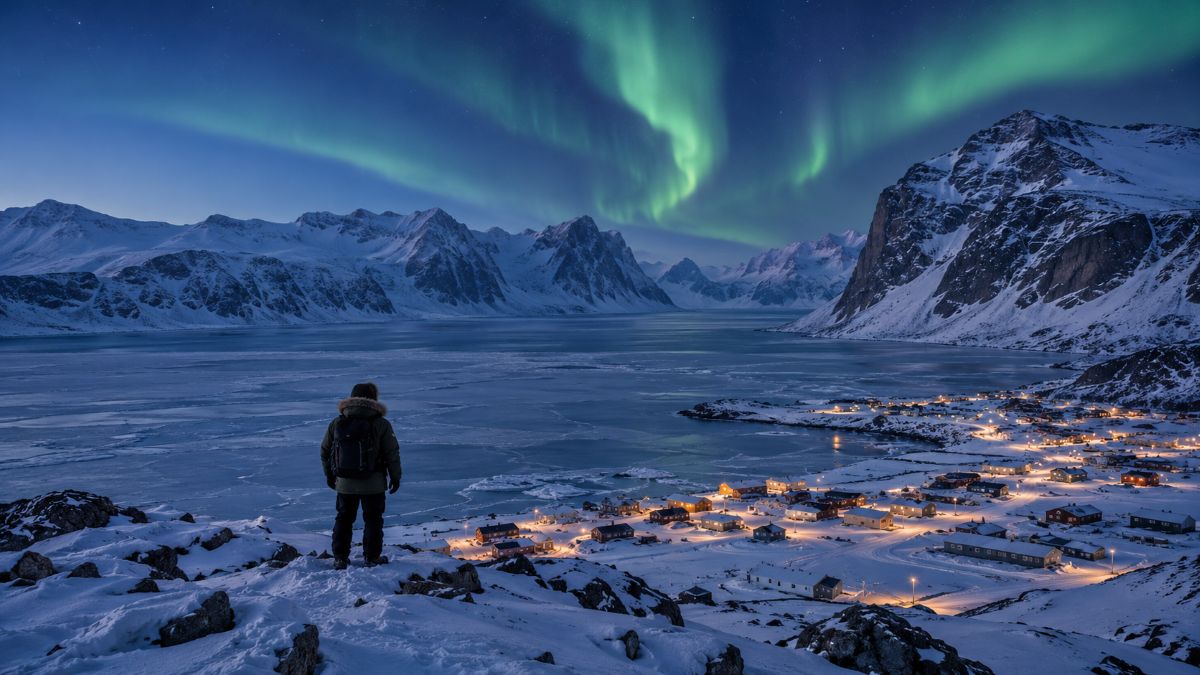
Pangnirtung in Nunavut offers a rare kind of winter journey in November and December. This small Arctic community sits on Baffin Island, beside a deep fjord and close to the striking mountains of Auyuittuq National Park. Snow covers the ground. The daylight grows short. The air turns sharply cold. Yet this is when Pangnirtung feels most dramatic. Travellers come for quiet streets, Inuit art, huge mountain views and dark skies that may reveal the northern lights. This is not a fast city break. It is a slow, careful and meaningful Canadian Arctic experience. Visitors need to plan well, respect local life and allow extra time for changing weather.
Pangnirtung Creates a Different Kind of Winter Holiday
Pangnirtung is a remote fly-in community. It has no road link to southern Canada or other Nunavut communities. This makes the journey feel special from the start. Visitors usually fly through Iqaluit before taking a regional flight to Pangnirtung. The final approach offers wide views of snow, fjords and mountains.
November is the start of the deeper winter season. Snow becomes more settled. The days become shorter. December brings even less daylight and a calm blue light over the landscape. The mountains, homes and fjord take on a soft winter glow. This makes Pangnirtung a strong choice for photographers, culture travellers and people who want to step away from busy tourism hubs.
The community is sometimes called Pang by residents and regular visitors. It offers a strong sense of place. Mountains rise beyond the settlement. The fjord shapes the view. The Arctic weather shapes the rhythm of every day. Visitors cannot expect a fixed timetable. Wind, snow and cloud can change plans quickly. That uncertainty is part of the true Arctic experience.
Advertisement
Advertisement
Inuit Art Gives Pangnirtung Its Cultural Heart
The Uqqurmiut Centre for Arts and Crafts is one of Pangnirtung’s most important visitor experiences. The centre supports local Inuit artists and brings together a tapestry studio, print shop and craft gallery. It gives visitors a direct connection to the community’s creative life.
Pangnirtung is widely known for its tapestries. These colourful works often show Arctic animals, sea ice, mountains, family life and stories from the land. Local artists also create prints, carvings, clothing, jewellery and handmade gifts. Visitors may find crocheted Pangnirtung hats, soapstone carvings, wall hangings and other art made in the region.
Buying art from recognised local outlets matters. It helps support artists and families in the community. It also gives visitors a lasting piece of Nunavut that has real cultural meaning. Each item reflects skill, patience and knowledge passed through generations.
Travellers should take time to learn, not only shop. Ask questions politely. Listen to the stories behind the art. Respect the fact that Inuit culture is living culture, not a display made for visitors.
Auyuittuq National Park Adds Arctic Drama
Pangnirtung is a key gateway to Auyuittuq National Park. The park is known for glaciers, steep rock walls, ice caps, fjords and the long Akshayuk Pass. It is one of Canada’s most dramatic Arctic landscapes. Mount Thor and Mount Asgard are among the famous peaks associated with the wider area.
The park remains open through the year. However, November and December are not its main visitor months. Late winter and spring are better known for skiing. Summer is the main season for hiking and climbing. Winter travel needs skill, special equipment and strong local knowledge.
Visitors must not treat the park as an easy winter walk. Snow, ice, wind and whiteout conditions can make travel dangerous. Temperatures can drop fast. Strong winds can blow across the land. Sea ice can also be unsafe without local guidance.
The safest choice is to speak with Parks Canada staff and a licensed local outfitter before planning any journey outside the community. Local guides understand the terrain, weather and wildlife. They can decide whether a snowmobile or ski outing is safe. A cancelled trip may feel disappointing, but it is often the right decision.
Advertisement
Advertisement
Northern Lights Bring Magic to Long Arctic Nights
November and December offer long periods of darkness. This can create good conditions for northern lights viewing when the sky is clear. Green, white or soft purple light may move across the sky above Pangnirtung’s snowy mountains and fjord.
Aurora viewing needs patience. The lights cannot be booked like a show. Clouds, wind and snow can hide the sky. Some nights stay dark. Other nights may bring a brief but unforgettable display.
Visitors should stay for several nights to improve their chances. They should dress for severe cold because northern lights viewing often means standing outside for a long time. A warm parka, insulated boots, thick mittens, a hat and a face covering are essential.
Travellers should never go far outside the settled area alone at night. A local guide can help visitors choose a safe viewing place and understand local conditions.
Winter Travel Needs Flexible Planning
Pangnirtung rewards people who plan carefully. Flights can change because of weather. Winter winds can affect airport operations. Snow can delay transport. Travellers should include buffer time before important onward flights.
A stay of at least four or five nights works well in November. A longer stay of five to seven nights can be better in December. The extra time allows for delayed flights, cloudy nights and changing outdoor conditions.
Accommodation is limited. Visitors should book early and confirm meals, airport transfers and opening arrangements directly with their chosen property. Food supplies are also limited compared with large Canadian cities. Travellers should carry useful snacks while respecting airline baggage rules.
A well-packed bag is essential. Thermal clothing should form the first layer. A warm middle layer should hold heat. A waterproof and windproof outer layer should protect against snow and wind. Visitors should also carry spare batteries, a power bank, sunglasses, a head torch and moisturiser. Cold weather can drain batteries quickly and dry the skin.
Safety and Respect Must Lead Every Visit
Pangnirtung is not a place for careless adventure. Auyuittuq National Park is remote. Polar bears may be present in the wider area at any time of year. Visitors should not travel alone in the backcountry. They should not walk on sea ice without local knowledge. They should follow guidance from local outfitters and Parks Canada at all times.
Respect is equally important in the community. Ask before taking photographs of people, homes, cultural activities or public buildings. Support local businesses. Follow local advice. Be patient if weather changes the plan.
Pangnirtung delivers an Arctic winter escape unlike anywhere else in Canada. It combines Inuit creativity, vast fjord landscapes, deep winter darkness and the chance to see the northern lights. For travellers willing to slow down and let the land set the pace, November and December can reveal the powerful, quiet beauty of Nunavut.
Advertisement
Advertisement
Advertisement
